
Limit switches are essential electromechanical devices used in automation and industrial systems to detect the presence, position, or movement of machine components. They play a crucial role in ensuring safety, reliability, and controlled operation across various applications. By providing precise feedback when a mechanical part reaches a predefined limit, these switches help prevent collisions, over travel, and mechanical failures. Their simple yet highly effective design makes them dependable for improving machine performance. In modern systems, they contribute significantly to safe operations and consistent productivity in demanding environments.
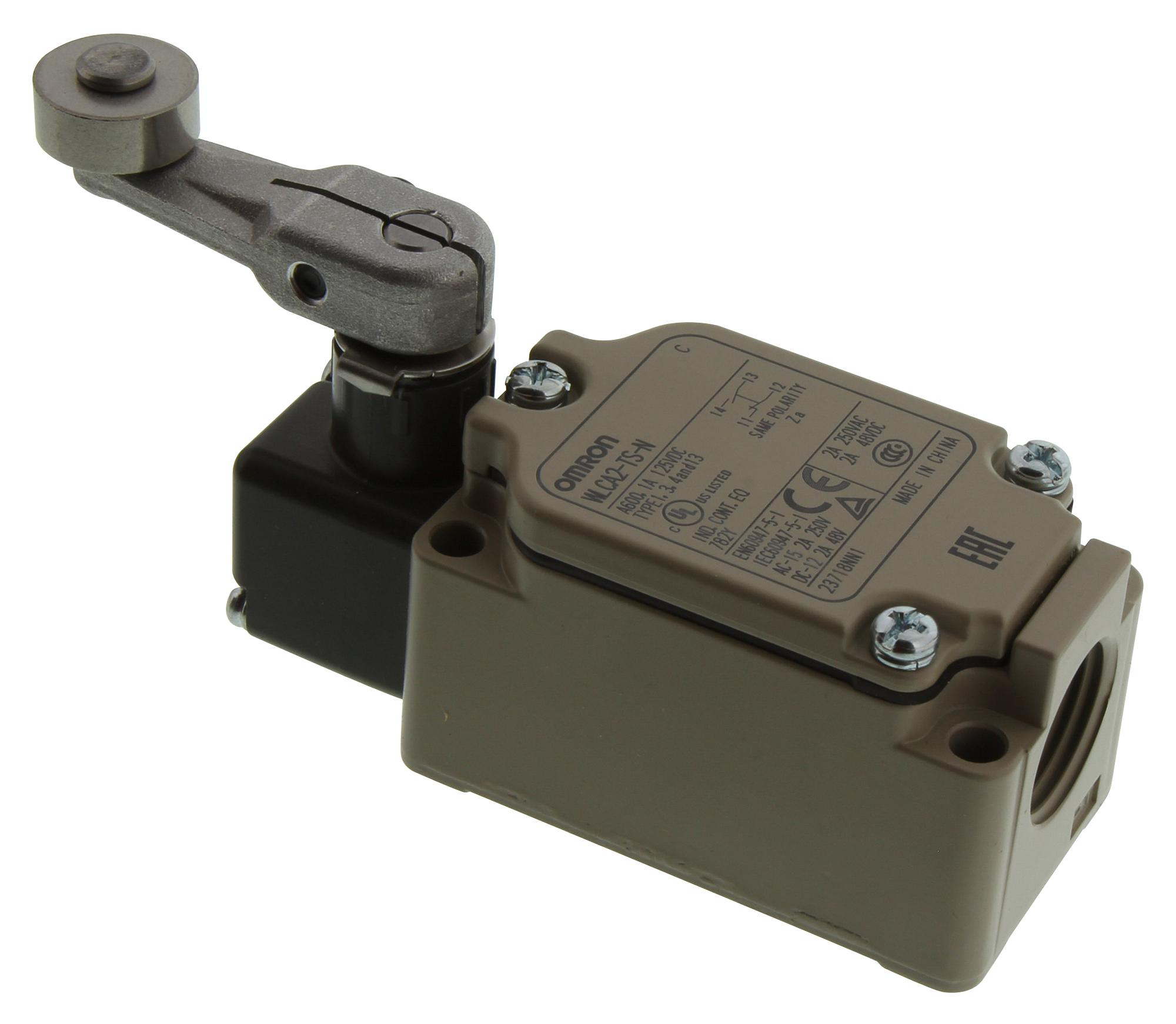
Enhanced Machine Safety
Limit switches significantly enhance machine safety by acting as protective sensors that stop or redirect motion when unsafe conditions are detected.
- Prevents over travel by stopping mechanical parts before exceeding safe movement boundaries
- Reduces risk of collisions between moving components and fixed machine structures
- Enhances operator safety by triggering automatic shutdown in hazardous conditions
- Ensures controlled motion in automated systems, reducing unexpected mechanical behavior
- Protects equipment from damage caused by excessive force or misalignment
Improved System Reliability
Limit switches improve system reliability by ensuring consistent feedback and accurate position detection in repetitive machine operations.
- Maintains consistent performance by providing accurate on/off positional signals
- Reduces system downtime by preventing mechanical faults before they escalate
- Supports repeatable operations in automated production environments
- Minimizes wear and tear on components through controlled movement limits
- Enhances system stability by clearly indicating machine position status
Operational Efficiency Benefits
Limit switches contribute to improved operational efficiency by enabling smoother workflows and reducing unnecessary machine interruptions. Engineers install limit switch components to prevent overtravel and protect equipment from potential damage during continuous operations.
- Optimizes cycle times by ensuring machines stop precisely at required positions
- Reduces manual intervention, allowing more automated and continuous operations
- Increases productivity by minimizing unplanned stoppages or adjustments
- Improves coordination between different machine components in integrated systems
Key Functional Advantages of Limit Switches
Limit switches offer several key functional advantages that make them indispensable in modern industrial automation systems.
- Simple mechanical design ensures high durability and long service life
- Works reliably in challenging environments with dust, vibration, and temperature changes
- Provides immediate response without requiring complex processing systems
- Easy integration into a wide range of machinery and control configurations
Conclusion
Overall, limit switches play a vital role in enhancing both safety and reliability in machine systems. Their ability to detect precise positions and trigger immediate responses helps create controlled, efficient, and secure operations. By reducing risks, preventing damage, and supporting automation, they remain a fundamental component in industrial environments. Their simplicity, durability, and effectiveness make them an essential solution for maintaining smooth and dependable machine performance across diverse applications. They also help optimize workflow consistency, improve equipment lifespan, and support safer interaction between humans and machines, making them highly valuable in modern operational systems.