
Granite remnants have become increasingly popular among homeowners and designers for creating custom kitchen islands, and there are several compelling reasons why they are an ideal choice. One of the primary advantages of using granite remnants for kitchen islands is cost-effectiveness. Unlike full slabs of granite, which can be expensive and often require a larger budget, remnants are smaller leftover pieces from larger projects, sold at a significantly reduced price. This makes granite remnants an economical option for those looking to add the luxurious look and durability of natural stone without the high cost associated with granite countertops. In addition to affordability, granite remnants offer exceptional durability, making them perfect for kitchen islands that are often a central hub of activity. Granite is naturally resistant to heat, scratches, and stains, which means a granite remnant countertop can withstand the daily wear and tear of cooking, chopping, and entertaining. This resilience ensures that the kitchen island remains attractive and functional for many years, providing long-term value. Moreover, the hard surface of granite is hygienic and easy to clean, which is essential in a kitchen environment where food preparation requires cleanliness and safety.
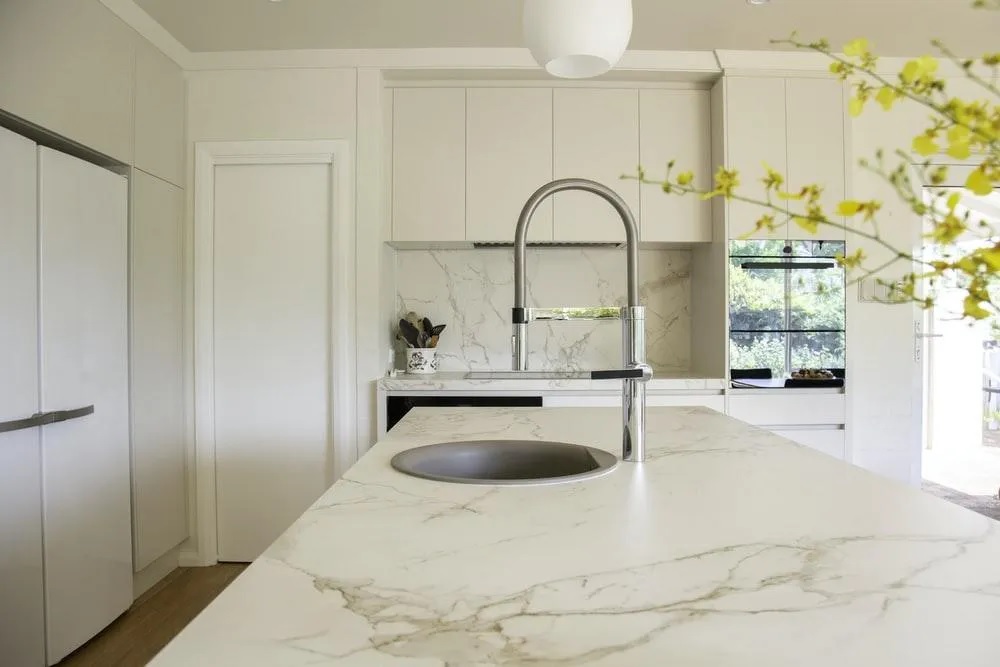
Another significant benefit of granite remnants is their unique aesthetic appeal. Each piece of granite is distinct, featuring natural variations in color, veining, and pattern that add character and elegance to any kitchen space. Using remnants allows homeowners to incorporate one-of-a-kind design elements into their kitchen islands, creating a personalized and stylish centerpiece. Since remnants are often smaller, they encourage creativity and innovation in kitchen design, as they can be combined with other materials or cut into custom shapes to fit specific dimensions and styles. This flexibility is ideal for those who want a bespoke look without committing to a large granite slab. Granite remnants also contribute to sustainability by minimizing waste. These pieces are typically leftover from larger countertop fabrication, and repurposing them for kitchen islands prevents them from being discarded. This eco-friendly approach appeals to environmentally conscious homeowners who want to reduce their carbon footprint while still enjoying high-quality materials in their homes.
Choosing granite remnants aligns with sustainable building and renovation practices, supporting a more responsible use of natural resources. Furthermore, granite remnants are generally easier and faster to install than full slabs due to their smaller size and lighter weight. This can reduce labor costs and the overall time required for a kitchen remodel or installation project. The ease of handling remnants makes them a practical choice for DIY enthusiasts or smaller contractors who want to achieve professional results without the complexity of managing large stone slabs. Kitchen islands are often focal points in modern kitchens, and a granite countertop can elevate the entire space’s look and feel. Even if the rest of the kitchen features more modest materials, a granite island creates a visual impact that can attract potential buyers and increase resale value. Granite remnants are ideal for custom kitchen islands due to their affordability, durability, unique aesthetics, sustainability, ease of installation, and ability to add value to a home and navigate to this website terristeffes.com. Their versatility and distinctive natural beauty make them a smart and stylish choice for anyone looking to enhance their kitchen space without breaking the bank.